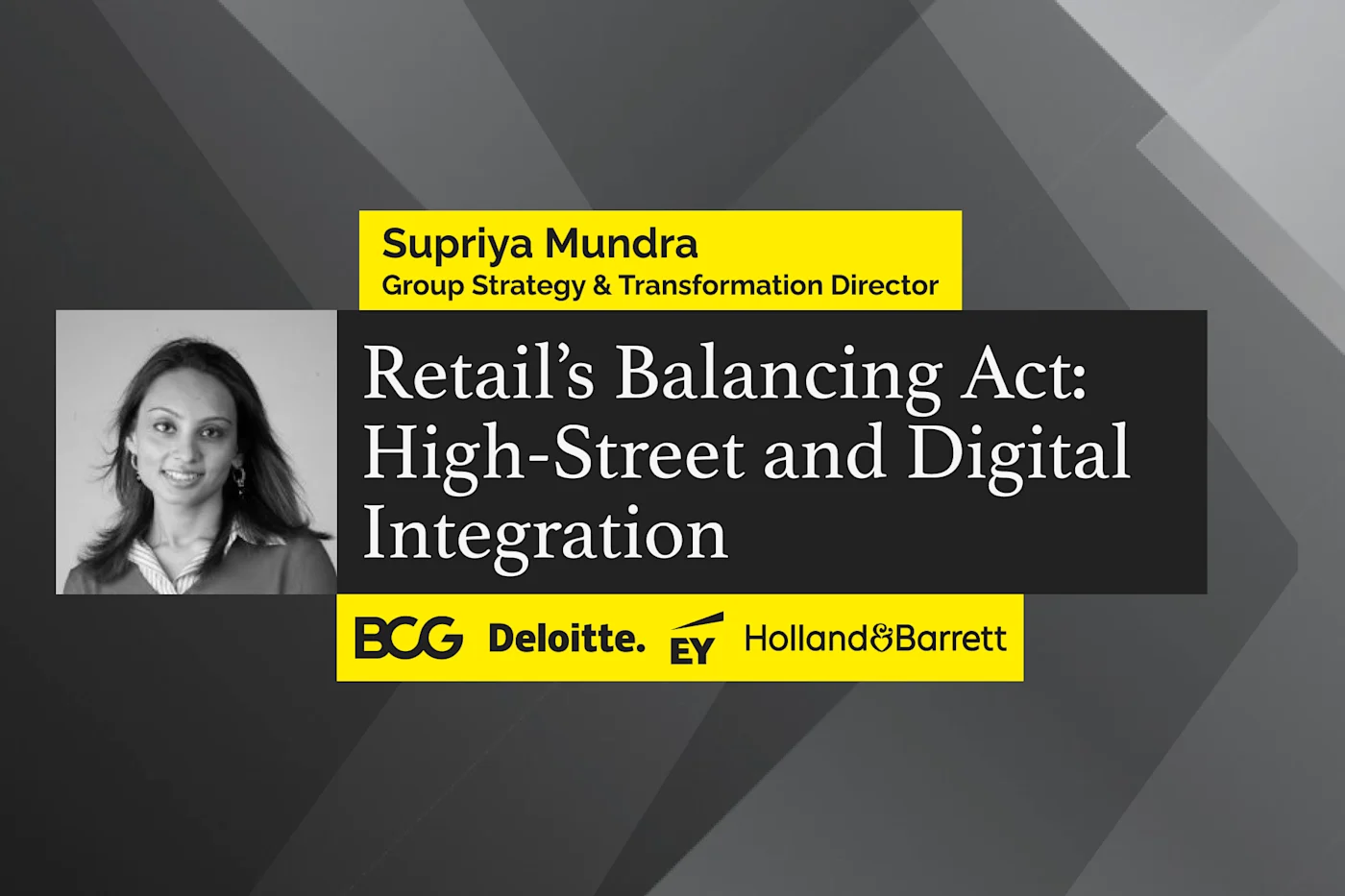
We spoke with Supriya Mundra, a seasoned expert in retail and consumer strategy, whose global perspective offers a thoughtful view on the evolving relationship between physical and digital retail.
In our conversation, she shared insights on the future of high-street stores, the growing importance of data-driven personalisation, and why cultural relevance is becoming central to successful brand strategy.
Physical Retail in a Digital Age
For Supriya, physical stores remain a critical part of the retail ecosystem, even as digital channels continue to grow.
“As much as digital is essential for convenience, high-street stores still offer something online can’t replicate: a tangible, memorable experience,” she explains. “The challenge for retailers is ensuring those spaces feel connected to the wider digital journey, creating an experience that is both cohesive and distinctive.”
Rather than viewing stores simply as points of sale, Supriya sees them as an extension of a brand’s identity.
“Consumers may start their journey online, researching products and comparing options, but many still want to see and experience those products in person before making a purchase. The opportunity is to design in-store experiences that complement what customers encounter online, making the physical visit an important part of the brand relationship.”
Strategic Localisation and Community Connection
Localisation plays a central role in Supriya’s vision for the high street.
“It’s not necessary for every store to be a large flagship,” she says. “In many cases, smaller stores located in the right communities can have a much stronger impact, particularly when they reflect local culture.”
By tailoring stores to the communities they serve, brands can create more meaningful connections with customers.
“When a store reflects the identity of the local area, whether through design, product selection, or community events, it signals that the brand understands its audience. Those details can create far stronger engagement than a generic high-street presence.”
Using Data to Personalise the Retail Experience
Data has become an increasingly powerful tool in shaping both online and in-store experiences.
“Data has transformed how retailers understand customer behaviour,” Supriya explains. “When used effectively, it allows brands to personalise interactions in ways that feel relevant and valuable to customers.”
For Supriya, the next stage of retail innovation lies in connecting digital insights with physical experiences.
“If the preferences a customer demonstrates online could inform the recommendations they receive in-store, retailers could create a far more seamless journey. That’s where the industry is heading: using data to bridge the gap between digital and physical retail.”
Cultural Relevance in Modern Retail
Beyond technology and personalisation, Supriya believes cultural relevance is becoming increasingly important in brand strategy.
“Consumers want brands that understand and respect the cultural context in which they operate,” she notes. “That becomes particularly important around celebrations, traditions, and key moments in the year.”
At the same time, customers still expect modern convenience.
“The most successful retailers find ways to blend tradition with innovation. When brands show genuine understanding of cultural values while maintaining a seamless shopping experience, they build stronger and more loyal customer relationships.”
The Future of Retail Strategy
Looking ahead, Supriya sees the future of retail as an integrated ecosystem rather than a competition between digital and physical channels.
“The goal isn’t to replace one channel with the other,” she explains. “Each serves a different purpose. Digital channels support discovery, convenience, and research, while physical stores offer deeper engagement and experience.”
For retailers that strike the right balance, the combination of both channels creates a stronger and more resilient brand presence.
About Supriya Mundra
With more than two decades of experience in consumer-facing industries, Supriya Mundra has developed deep expertise in corporate strategy, market expansion, and business transformation.
Her career spans leadership roles across both industry and consulting, where she has focused on operationalising strategy, driving revenue growth, and supporting organisations entering new markets. Known for her ability to combine strategic thinking with practical execution, Supriya continues to help brands navigate the evolving retail landscape.