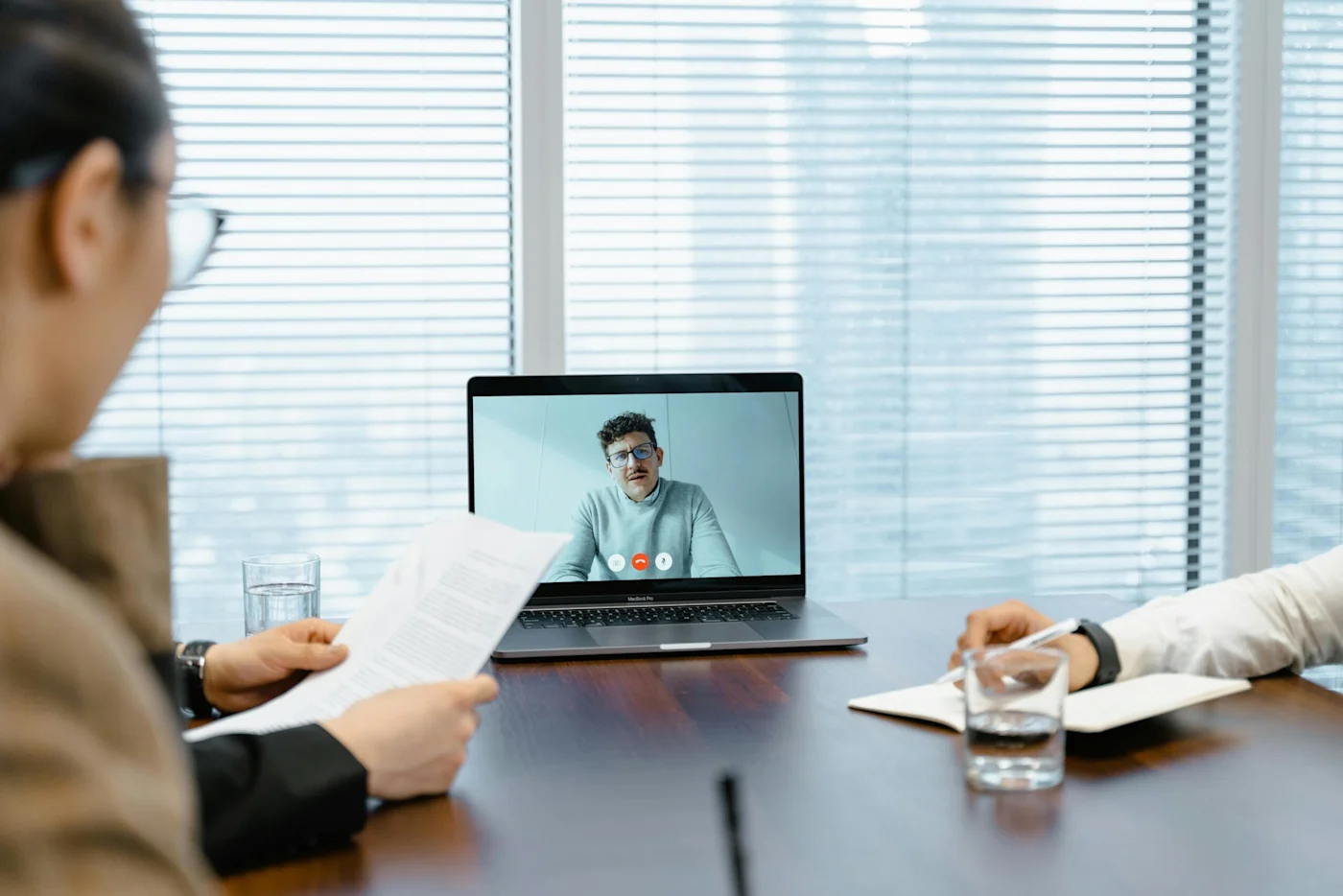
With social distancing measures and travel restrictions in place due to the COVID-19 pandemic, not to mention workplaces being physically closed in many cases, any imminent external audit is likely going to be conducted remotely. So, what does a virtual audit entail and how can organisations best prepare?
A virtual audit will ultimately perform the same function as a regular face-to-face visit, instead using a range of technology available to auditors to complete the financial picture. The video calls we’ve all become accustomed to, screen sharing, remote document access, and live streaming might all be used in a virtual audit to provide the auditor with the information needed. Understandably, this will be an unusual process for companies so it’s important to prepare for your audit slightly differently and probably earlier than in previous years. Here are four areas we think should be top of the agenda in terms of preparation:
Technology
Before considering the tech involved in how the audit will proceed, assess the remote working capabilities of the key members of the finance team in terms of security and access to data so that there is no breakdown in information flow from critical staff.
Agree with the auditors on the method for access and file sharing, such as a virtual audit room in the form of a secure cloud-based file-sharing portal.
Ensure all parties have the remote access required and security protocols are in place.
Timetable
The auditors will appreciate that these are exceptional circumstances and that your finance team headcount, working hours or workload may be different. However, it’s still important to agree on a timetable to meet the audit date.
Identify any other projects that can be deferred so that all key staff can be available for the audit.
The auditors will confirm the information and documentation that will be needed and request a sample selection. Review this as soon as possible to ensure the timetable stays on track.
Omissions
There may be documentation that isn’t readily available, for example, it may exist only in paper form at an office; may be with an employee who is on furlough; or may be unsigned. Flag these omissions as soon as possible with the auditor to agree an alternative solution.
If regular processes have been adapted for remote working that might affect the information produced, highlight these with the auditor, and agree anything that may need to be accessed at a later date if required.
People
Prepare a business continuity plan if you don’t already have one in place. Make sure that all key finance staff have a backup team member who can assume their role in case of sudden illness.
Check in on your team regularly – these are strange times and outside of the office people are working under varying conditions, which isn’t always easy.
Above all, communicate. This is often taken for granted when a finance team is in the same location, working together. Make time for frequent update calls and virtual meetings to keep everyone on the same page and working towards the same goal.
Has your organisation been through a virtual audit in 2020? How did your team react? We’d love to hear from you.